
Converting a factual biography to a literary/historical fiction book is a challenge. After engaging in months of intense research and writing Anna Alcott: Stepping Out of Meg’s Shadow, I approached many and various scholarly publishers deemed the most likely to accept my biography. I received rejection emails from all of them, so it was time to try a different approach.
“Part of the trouble with Anna’s biography,” I was told, “is that you are obliged to repeat so much of what is already well-known about the Alcott family.”
That is unavoidable to some extent, although Anna’s diaries and letters, not yet used comprehensively in publications, enable her to have her own clear voice. Anyway, I came up with another idea. I am aware from many sources that Anna always wanted to be an actress, not always accepting her usual role as Cinderella in the wings. She has been the hidden figure, the understudy, behind her sister, Louisa.
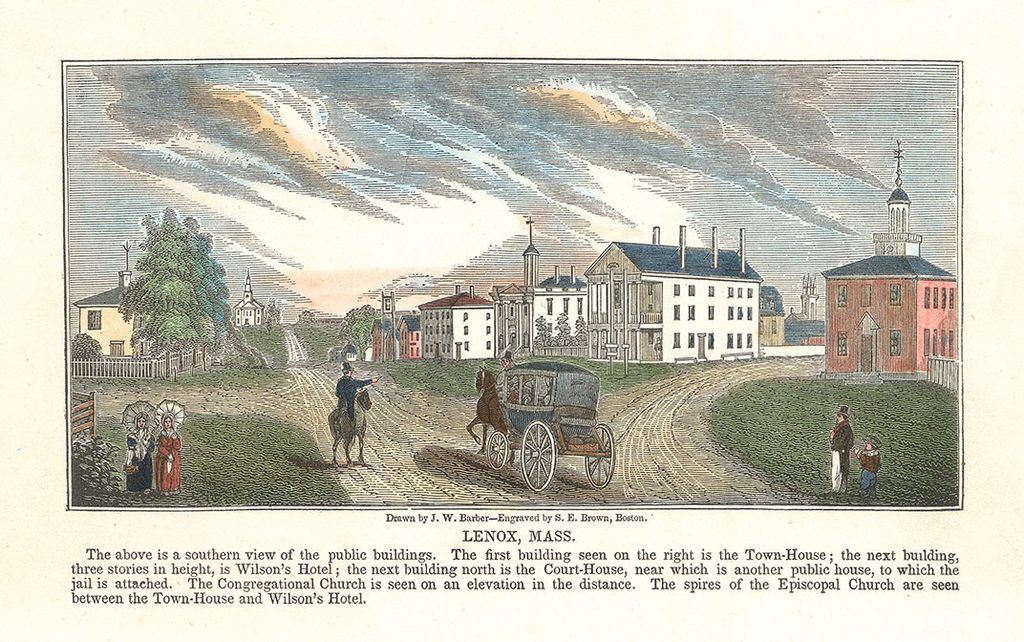
Short of completely fictionalising her life and giving her a stage career, I have created a life reimagined, with the reader first meeting Anna at age nineteen when she goes to Lenox, a town in the heart of the Berkshires, Massachusetts. She did in fact go there in 1850, as a “nursery girl” for the small daughter of Caroline Sturgis Tappan who had a long, some say romantic, attachment to Ralph Walo Emerson. There is considerable gossip in my version as you would expect when notable women are discussed!
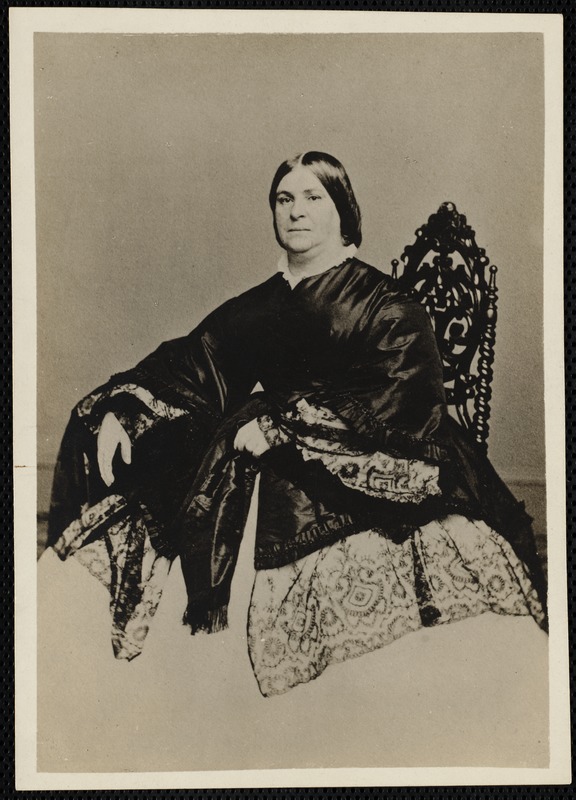
Further digging reveals a literary, artistic enclave in Lenox, comparable to Concord, including the actress Fanny Kemble, who is actually in the audience of a “theatrical” in which Anna stars during the Alcotts’ time in Walpole. Author Catharine Maria Sedgwick, with whose work Anna is familiar from reading sessions with her mother, Abba Alcott, is also a resident.
The story is built around Anna’s life, detailing her life as an Alcott girl, the “Meg” of Little Women, and intertwining it creatively with the lives of the three Lenox ladies. Anna never realises her girlhood dream of acting on a real stage, except in amateur “theatrics”, but she is given the leading role in a life of many scenes from poverty to plenty, and gladness to grief; scenes in which her sister Louisa plays the main supporting role.
The book brings Antebellum Massachusetts to life in two alluring locations, Concord and Lenox (and to a lesser extent, Boston), connected by their creative occupants and relived through Anna’s story. The exquisite beauty spots of the Berkshires are the habitat of literary greats, including Nathaniel Hawthorne for a time living in the Tappans’ now famous red farmhouse. Hawthorne also loves the woods and lakes of Concord, Anna’s home town and the territory of Ralph Waldo Emerson and Henry David Thoreau, who play minor parts in the book.
The homes of the Lenox ladies have marvellous names – The Perch, The Hive, Highwood, Tanglewood. These are not as familiar to Concord devotees as Hillside, Orchard House, Wayside, and Bush, but they are all choice settings for the story as it unfolds.
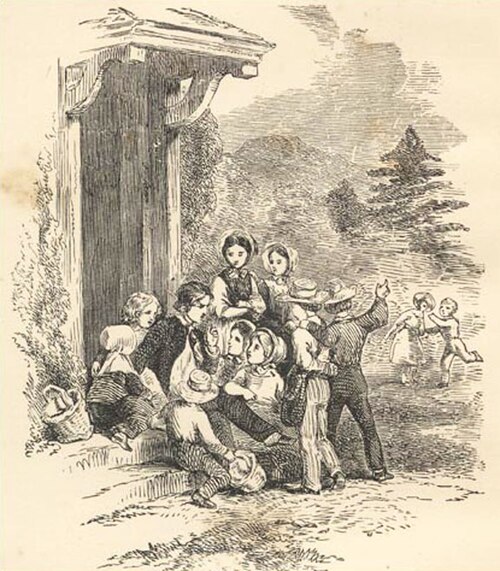
The chapters are structured with theatrical references, in keeping with Anna’s yearning for the romance of the stage. Chapter 1 is titled “Setting The Scene: Lenox” and the story begins: “Anna examined her face anxiously in the mirror. She and her sisters had suffered a mild infection of varioloid in the spring that left a few scars as evidence. She dabbed powder on her cheeks – not too much, Louisa warned, or you’ll look like a ghost – and tucked her hair into a cap of sprigged muslin, the best that she had. It would not do for Mrs Tappan’s distinguished visitor to find fault with the nursery girl.
Imagine, Fanny Kimble, the famous English actress, here in Lenox! Such an unexpected honor to meet her. Louisa will be very jealous…”
In the next blog I shall discuss the resources I accessed to enlarge and enliven the story, Anna Alcott and The Ladies of Lenox