
“I think the world would be a very dismal world without books. I could not live without them. I take so much pleasure in reading beautiful stories and poetry. I like to hear beautiful words and thoughts. Beautiful is my favorite word.”
Anna Alcott wrote those words in her diary when the Alcott family was living in their “utopia”, Fruitlands. There was very little in the way of beauty during that terrible time in 1843, but there was always plenty of reading matter wherever they lived. Father, mother and older daughters also diligently attended to their diaries at Fruitlands, although most of them were destroyed by Bronson.
Bronson Alcott’s exhaustive examination of Anna as an infant makes for fascinating reading about her: “Observations on the Life of My First Child (Anna Bronson Alcott} During her First Year, 1831” is available in the Alcott Papers at Houghton Library. Allow plenty of time for reading!
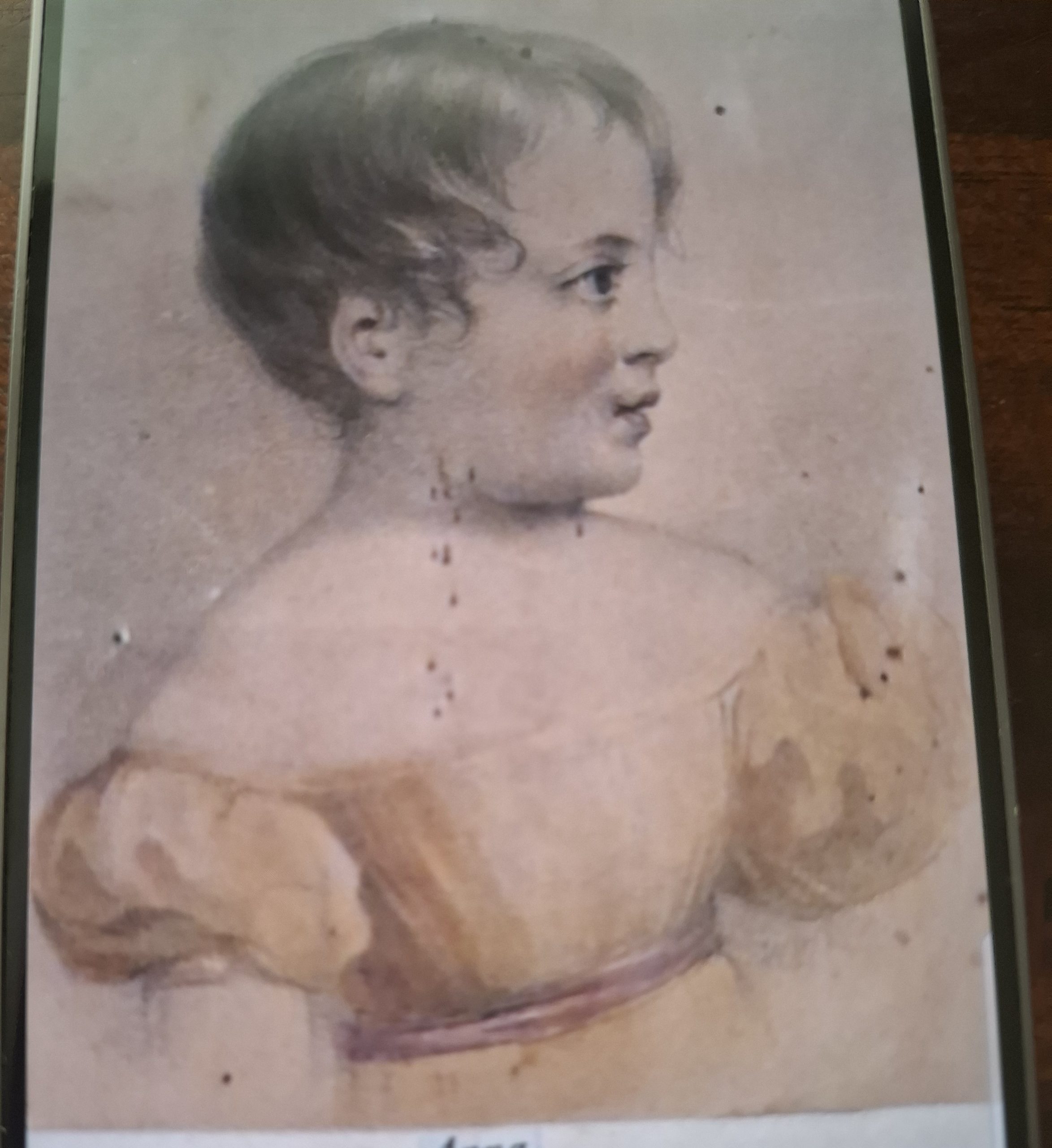
In my book, Anna Alcott and The Ladies of Lenox, I am writing about Anna firstly as a young woman, then detailing her whole life until she dies. While I return to her earlier diaries retrospectively for her experiences in the growing up years, I am more dependent on her very revealing diary, “Anna Alcott Pratt Diary (1859-1862)”, transcribed and annotated by Ray Angelo, available at Anna Alcott Pratt Diary : Ray Angelo : Free Download, Borrow, and Streaming : Internet Archive
Susan Bailey has described Anna as the “family secretary”. Her letters to her father when the family was living in Walpole at the time of sister Lizzy’s illness provide evidence of a very articulate and capable writer, who remonstrates, lightly perhaps, with Bronson who as usual has no money:
“We are all happy to know you are having such a pleasant time in the home you always loved so much…We have no money at all just now, but I shall have mine in a few days, and will certainly send some next week…I finished my school yesterday [30 June 1852] and have done with teaching forever (I mean till winter)…I think we are getting on finely, and if you succeed in finding ‘The Fortune’ in any of your wanderings we may yet be well off…”
To know the older married Anna, I am grateful for Little Women Letters to Laurie: The Alcott Family Correspondence with Alfred Whitman, 1858-1891), edited by Lis Adams, for many details about my subject as a married woman and mother. Alf is the family confessor and Anna writes to him at length about her life:
“There is never much to tell. We are such humdrum folk. John pegging away in the office. Annie delving at home sewing and adoring her babies. We are still living about having no settled home but boarding near the city in winter and flying off to Apple Slump when the warm weather makes the city unendurable.
“John is looking in every direction for a little place to buy that we may have a habitation to call our own. It is slow work and sometimes we get almost discouraged as it is so hard to find what we want, but we feel so sure that somewhere the little home is waiting for us that we keep hoping and plod along till we find it…”
Of course, the large collection of letters and journals of Bronson, Abba and Louisa (also on Internet Archive) provide many snippets about daughter and sister. Anna is easy to locate in my thinking, because I have already written two versions of her life: a full biography and an experimental memoir written in the first person. The next challenge was to familiarise myself with the ladies of Lenox and position them throughout my third consideration of Anna, as the main character in literary fiction.
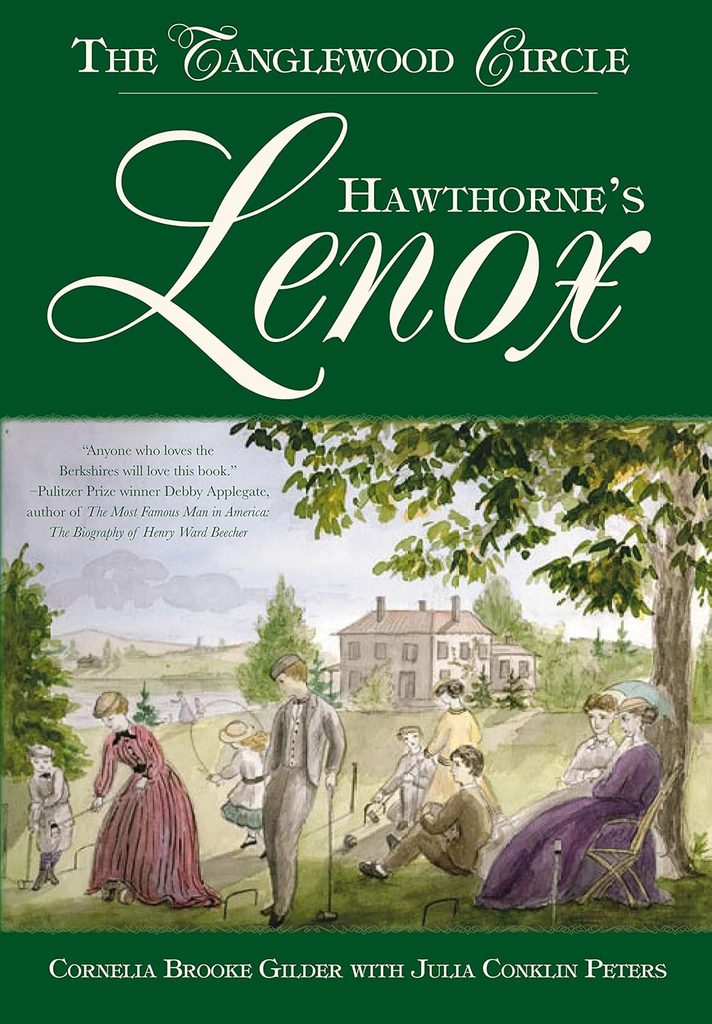
I made a good start with Hawthorne’s Lenox: The Tanglewood Circle, the work of Cornelia Brooke Gilder with Julia Conklin Peters (Charleston: The History Press, 2008). This book enabled me to imagine Lenox as a location and the houses in which the ladies and other residents live. It is rich in descriptions about the occupants and their separate stories. I first read about Caroline Sturgis Tappan (Carrie) as she is the one who invited Anna to come to Lenox to be “nursery girl” for Caroline’s baby girl, Ellen.
“Anna will find much to enjoy in Lenox,” Carrie assures Abba Alcott.
I make sure that she does!
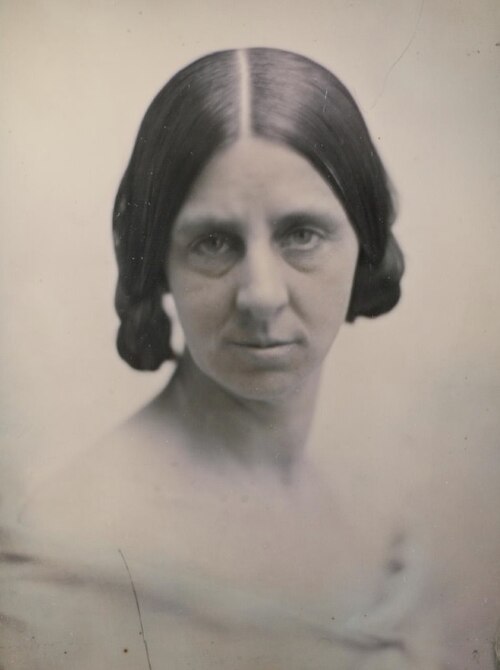
Carrie and her husband William were associated with Concord through their friendship with Ralph Waldo Emerson and renting their Red House in Lenox to Nathaniel Hawthorne at a critical time in his career. Apart from her poems published in the transcendental journal, The Dial, Caroline is an artist and writes stories for children. Her poems and letters exchanged with Emerson are very revealing! Reference: “The ‘dry-lighted soul’ ignites: Emerson and his soul-mate Caroline Sturgis as seen in her Houghton manuscripts”. Harvard Library Bulletin 16 (3), Fall 2005: 37-67.
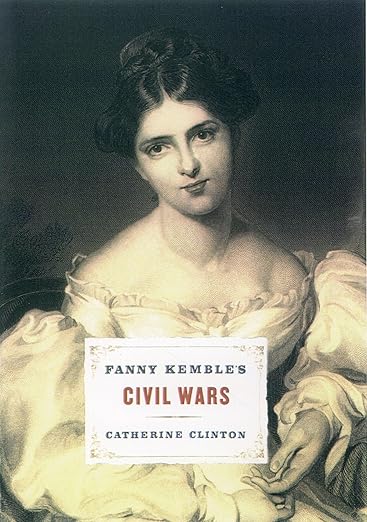
Carrie, in my story, arranges for Anna to meet other Lenox legends of the time. Fanny Kemble, the English actress, is a larger-than-life character, whose life on the stage opens Anna’s blue eyes to dazzling visions of life as an actress, which is her unlikely and unrealised dream. Fanny does, in fact, according to Louisa’s journal, see the sisters on the stage in Walpole. There is no shortage of resources about Fanny. I enjoyed her autobiographical books, starting with Records Of A Girlhood; for an independent, diligently researched viewpoint, Fanny Kemble’s Civil Wars by Catherine Clinton (2000), is recommended.
Fanny is an entertaining writer.
“I have been informed that, after the manner of most clever children,” she tells Anna, “I was exceedingly troublesome and unmanageable, my principal crime being a general audacious contempt for all authority, coupled with a sweet-tempered, cheerful indifference to all punishment.”
Anna immediately thinks of a young Louisa!
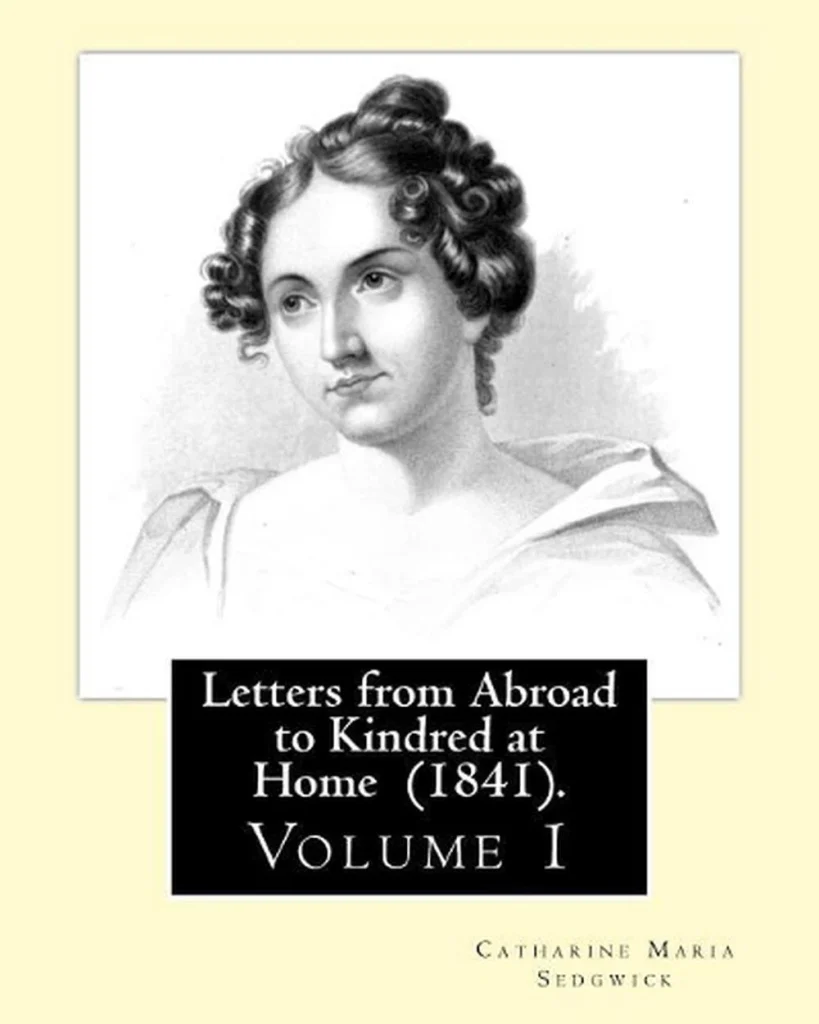
The third lady of Lenox is the author, Catharine Maria Sedgwick, whose name is already familiar to Anna through her reading of Letters from Abroad to Kindred at Home and A New England Tale, and Miscellanies.
“Are you a writer of letters, Anna?” asks Miss Sedgwick, a friend of Fanny Kemble. “Fanny has written many letters for years now. I keep a daily journal which records my life and reminds me of the passage of time.”
“All the Alcotts have a passion for letters,” Anna tells her, “and I think there must be but few families who have so many! We keep journals too. Self-discovery and reflection are very important to the transcendentalists like my father.”
“Spiritual self-examination is an honored New England tradition, Anna.” Miss Sedgwick rose from her chair. “No time today to start on the transcendentalists!”
In my third blog I shall share some of the themes and threads that run through Anna Alcott and The Ladies of Lenox.
Sketch of Anna as a baby courtesy of Molly Pratt.